


18 Oct 2026 · 8 min read
Getting Tires in Auburn, AL: New, Used and Mobile Service (2026)
A guide to new and used tire shops, wheel alignment, off-road and mobile tire service in Auburn, Alabama, with hours and tips for 2026.
tires alabama auburn19 October 2026 · 8 min read
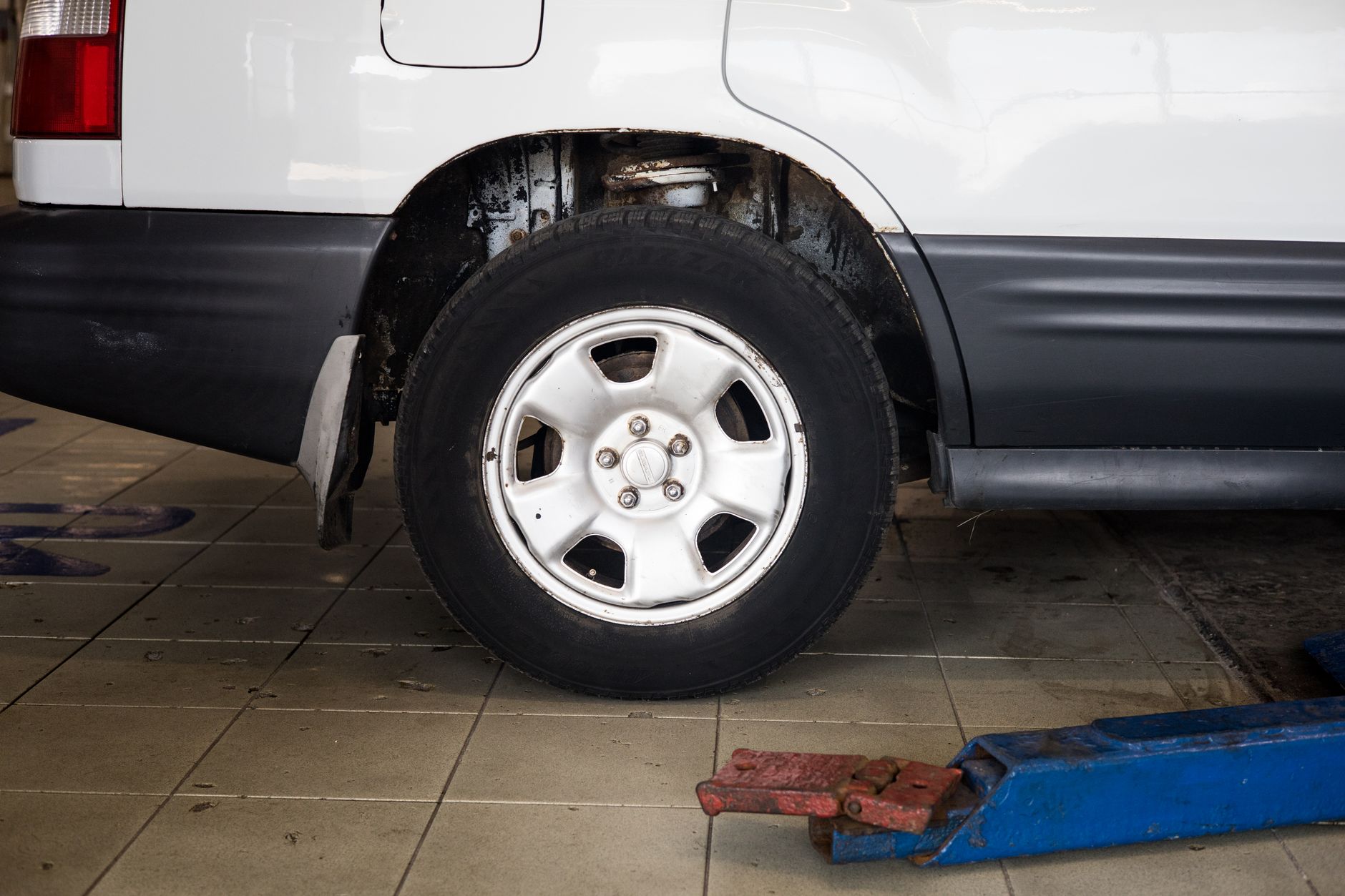
Drivers often use "get my tires balanced" and "get my alignment checked" as if they mean the same trip. They don't. A shop can balance a wheel perfectly and the car can still pull hard to the right. A shop can align every angle in the suspension to spec and the steering wheel can still shake at 65 mph. The two services fix different problems, use different machines, and show up as different symptoms behind the wheel. Mixing them up usually means paying for the wrong fix and driving away with the same complaint.
This guide breaks down what each service actually does, how the symptoms differ, what a shop visit looks like for each, and how often you actually need them. It leans on listings already in the directory for new tires, used tires, mechanics and wheel alignment across Alabama, so the examples point at real shops rather than hypotheticals.
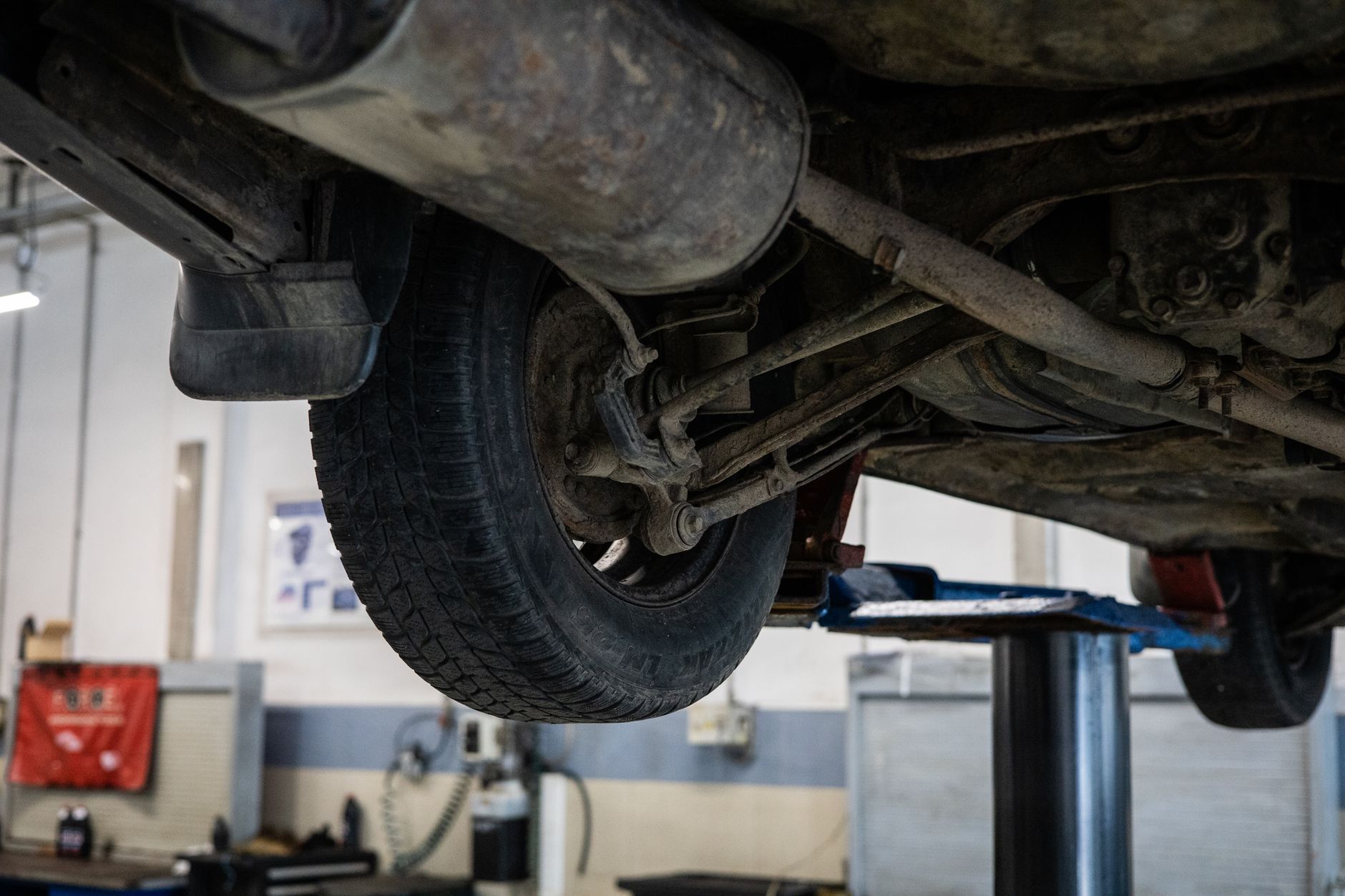
Alignment is a suspension adjustment, not a tire service. A shop puts the car on an alignment rack, attaches sensors (or a modern camera-based system) to each wheel, and measures three angles against the manufacturer's spec:
A technician adjusts these angles using bolts, cams, or shims built into the suspension and steering components, then re-measures until every wheel is within the factory tolerance. Nothing about this process involves adding weight to the wheel — it's entirely about geometry.
Wheel Alignment Services · Montgomery, Alabama
Alignment typically goes out because of normal driving: hitting a pothole or curb hard, a worn suspension bushing or tie rod end, a lowered or lifted suspension, or simply the slow settling that happens over tens of thousands of miles. It is not caused by wear and tear on the tire itself.
Balancing fixes a completely different problem: uneven weight distribution around the tire-and-wheel assembly. Every tire has microscopic variations in rubber thickness and the wheel itself is never perfectly uniform in mass. At highway speed, even an ounce or two of imbalance on one side of the wheel creates a wobble that a driver feels as vibration through the steering wheel, seat, or floor — usually worse at a specific speed range, like 55–70 mph, and less noticeable above or below it.
A technician checks balance by mounting the wheel on a balancing machine that spins it and measures where the heavy spot is. Small lead or zinc weights are then clipped or stuck to the rim, opposite the heavy spot, until the wheel spins true. This is a wheel-and-tire problem, not a suspension problem — nothing about balancing touches camber, caster, or toe.
Tire Shops · Opelika, Alabama
Balance shifts over time as tread wears unevenly, after hitting a pothole hard enough to dislodge a weight, or any time a tire is dismounted and remounted — which is why a fresh set of tires should always be balanced as part of the installation, not as an afterthought.

The fastest way to guess which service you need, before any shop even looks at the car, is to pay attention to exactly what the car does.
| Symptom | More likely cause |
|---|---|
| Steering wheel shakes or vibrates, worst in a specific speed range | Balance |
| Car pulls or drifts to one side on a flat, straight road | Alignment |
| Steering wheel is off-center when driving straight | Alignment |
| Vibration is felt in the seat or floor, not the steering wheel | Balance (often rear wheels) |
| Tires show uneven wear on the inside or outside edge | Alignment |
| Tires show cupping or scalloped wear spots | Balance, or a worn suspension part |
| Vibration gets worse the faster you go, then can fade at higher speed | Balance |
| Car wanders or feels loose, not a strong pull | Alignment, or worn steering components |
Wheel Alignment Services · Birmingham, Alabama
A car can need both at once, especially after hitting a pothole hard enough to both knock a wheel weight loose and bend a suspension component. If a shop checks one and the symptom doesn't fully go away, it's worth asking them to check the other before assuming the first repair failed.
Expect the car to go on a four-wheel alignment rack. Most shops today use a camera-based or laser system: targets clip onto each wheel, the car is checked at ride height, and the system reads camber, caster, and toe against the exact specification for that make, model, and model year — specs vary enough between vehicles that a shop needs the car's actual data, not a rough universal setting.
If everything is within spec, the shop should tell you so and not adjust anything unnecessarily. If something is out of range, the tech makes adjustments at the front (and rear, on vehicles with adjustable rear suspension) and re-checks until every wheel reads within tolerance. A printout before-and-after is standard at most shops and worth asking for if it isn't offered — it's the clearest way to confirm the work was actually done.
Auto Repair Shops · Huntsville, Alabama
Alignment doesn't require removing the wheels, so it's usually one of the faster bays to get through — often under an hour for a straightforward four-wheel alignment with no worn parts to replace first. If a worn tie rod end, ball joint, or bushing is found during the inspection, that part needs to be replaced before the alignment will hold; aligning around a worn part just means it goes out of spec again quickly.
Balancing requires the wheel off the car. The tech removes each wheel, cleans the mounting surface and rim flange of old weights and debris (dirt or corrosion on the rim throws off the reading), and mounts it on the balancer. The machine spins the assembly and displays exactly how much weight is needed and where. Weights go on, the wheel spins again to confirm it reads near zero, and it goes back on the car.
Tire Shops · Mobile, Alabama
Because balancing touches each wheel individually, a full four-wheel balance generally takes less time per wheel than an alignment but more total handling, since every tire comes off. Most shops balance all four tires any time new tires go on, and will rebalance a wheel on request if a driver reports highway vibration.
Neither service runs on a fixed calendar the way an oil change does — both are driven by symptoms and by specific events more than mileage alone.
Alignment is worth checking: after hitting a significant pothole or curb, after any suspension repair or part replacement, whenever a new set of tires goes on (so the new tread wears evenly from day one), and any time the car pulls, drifts, or the steering wheel sits off-center. Many shops also recommend a routine check once a year even with no symptoms, since minor drift can happen gradually enough that a driver adjusts to it without noticing.
Balancing is worth checking: whenever new tires are mounted, if a wheel weight is visibly missing or the wheel shows a shiny scrape where one fell off, and any time a vibration shows up that wasn't there before — especially after hitting a pothole hard. Rotating tires is also a natural checkpoint to have balance verified, since moving a tire to a different corner can reveal an imbalance that wasn't noticeable in its old position.
Wheel & Rim Shops · Huntsville, Alabama
Skipping either service doesn't just mean living with a vibration or a pull — it accelerates tire wear. A tire run with bad alignment can wear out thousands of miles early on one edge; a tire run out of balance wears in a cupped, scalloped pattern that also shortens its life and makes road noise worse over time.
Because alignment and balancing use different machines, not every shop offers both under one roof — a dedicated alignment shop may not have a balancer built for larger wheels, and a tire shop focused on sales may send alignment work elsewhere. Checking what a listing actually offers before driving over saves a wasted trip.
Alabama has shops set up for each side of this. Montgomery has dedicated alignment and frame work alongside general tire sales. Birmingham has wheel repair specialists suited to a balance issue tied to a bent or damaged rim rather than a simple reweight. Huntsville has both a general alignment-focused repair shop and a wheel and rim specialist in the same metro area. Opelika and Mobile both have tire shops that handle balancing as a routine part of a new tire sale rather than a separate appointment.
Wheel Alignment Services · Birmingham, Alabama
Browsing the wheel alignment category or the tire shops category for a specific city is the fastest way to see which nearby listings mention alignment racks, balancing machines, or both, along with hours and current ratings pulled from each shop's own listing.
A vibration through the steering wheel at highway speed points to balance; a car that pulls or drifts on a flat road points to alignment. They're different machines, different symptoms, and different fixes, and a shop that diagnoses the wrong one first will send a driver home with the same complaint. When in doubt, describe the exact symptom — speed-dependent vibration versus a steady pull — and ask the shop to check both before paying for either, since a pothole hard enough to knock a wheel out of balance is often hard enough to knock the suspension out of alignment too.

18 Oct 2026 · 8 min read
A guide to new and used tire shops, wheel alignment, off-road and mobile tire service in Auburn, Alabama, with hours and tips for 2026.
tires alabama auburn
17 Oct 2026 · 8 min read
A guide to Tuscaloosa, AL tire shops: new, used, mobile service, flat repair and commercial tires, with hours and ratings from each listing.
Tuscaloosa Alabama tire shops
16 Oct 2026 · 8 min read
A look at Mobile, Alabama tire shops: new, used, mobile service and wheel alignment, with hours and ratings from each listing.
Mobile Alabama tire shops