


11 Oct 2026 · 9 min read
Tire, Flat Repair and Alignment Costs in Enterprise, AL (2026)
What drives tire, flat repair and alignment prices, and the Enterprise, AL shops that handle each job.
Enterprise Alabama tire costs10 October 2026 · 7 min read
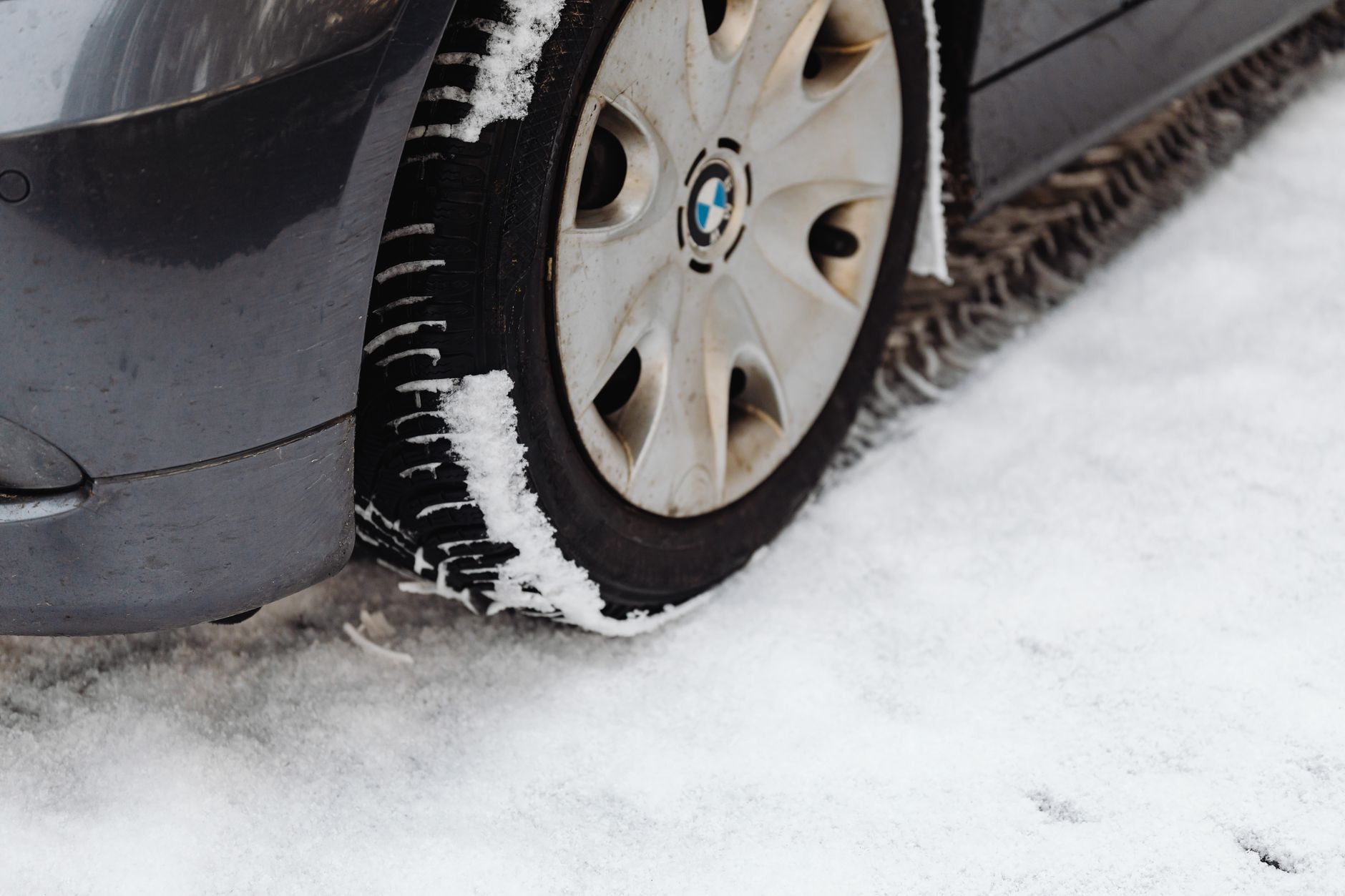
Most tires sold on new vehicles in the United States are labeled "all-season," and most drivers never think about it again. That's a reasonable default almost everywhere in Alabama and the rest of the Southeast, where snow is rare and ice is a once-or-twice-a-winter event rather than a four-month condition. But "all-season" is a marketing category, not a guarantee, and it's worth knowing what the label actually promises — and what a small number of drivers gain by stepping up to a dedicated winter tire or a middle-ground "all-weather" tire instead.
An all-season tire is built around a rubber compound and tread pattern that aim for balance: reasonable grip in rain, acceptable grip on cold pavement, long tread life, and a quiet, comfortable ride. The compound is formulated to stay usably flexible from roughly the mid-40s°F up through summer heat, and the tread pattern uses moderate-sized grooves and a moderate number of sipes — the thin slits cut into the tread blocks that help bite into light snow or wet pavement.
That's a wide design target, and wide targets mean compromise. An all-season tire isn't optimized for deep snow, sustained sub-freezing temperatures, or glare ice, because doing so would hurt its dry-pavement handling and shorten its tread life in warm climates. For a vehicle that spends its life in Alabama, that trade-off almost always favors the all-season tire. For a vehicle that regularly sees snow-covered roads or repeated hard freezes, it doesn't.
It also helps to remember that "all-season" was never meant to mean "all-weather" in the way those two phrases get used interchangeably today. The original idea, going back decades, was simply a single tire that didn't need to be swapped between a dedicated summer tire and a dedicated winter tire — a convenience tire, not a maximum-traction tire for either extreme. Everything else follows from that starting point.
A winter tire (sometimes still called a "snow tire") is built around a single priority: traction in cold and snow, even at the cost of everything else. Three things change:
That last point is the real cost of winter tires: they need a second set of wheels or a twice-a-year mount-and-balance, storage for the off-season set, and they wear faster if left on through summer. For a driver in Enterprise or Dothan, that cost rarely pencils out. For a driver who spends winters in the mountains or commutes somewhere that gets sustained snowpack, it usually does.
Tire sidewalls carry two different winter-related markings, and they don't mean the same thing.
If the goal is genuine winter capability, the symbol to look for is the snowflake-on-mountain icon, not the letters M+S.
| All-Season | All-Weather | Winter | |
|---|---|---|---|
| 3PMSF rated | Usually not | Yes | Yes |
| Best in | Mild climates, year-round use | Mixed climates with occasional snow | Sustained cold and snow |
| Tread life in warm weather | Long | Long to moderate | Short |
| Ice/snow traction | Limited | Good | Best |
| Swap required each season | No | No | Yes (needs a second set) |
| Typical Alabama fit | Good for nearly all drivers | Fine, slightly more cost for little local benefit | Rarely needed |
The often-cited "45°F rule" is a reasonable rule of thumb: below roughly 45°F, all-season rubber starts to stiffen enough that grip measurably drops, which is the point at which a winter or all-weather compound starts to pull ahead. Above that line, the all-season tire's broader tread life and lower cost usually win.
For most of Alabama, overnight lows dip into that range for a handful of weeks a year rather than months, which is the core reason winter tires don't make sense for most drivers here. The exception is a genuine ice event — the kind that closes schools and bridges once or twice a winter — and no tire, winter or otherwise, makes aggressive driving on glare ice a good idea. The right response to an ice advisory is slowing down and avoiding bridges and overpasses, not upgrading tires for a once-a-year event.
Tire Shops · Auburn, Alabama
All-weather tires are a newer category that splits the difference: they carry the 3PMSF snowflake rating like a winter tire, but they're built to run year-round without a seasonal swap. They trade a little dry-pavement performance and tread life compared to a pure all-season tire, in exchange for real snow and ice traction without the hassle of two tire sets.
For a driver who occasionally drives north in winter, or who wants a tire that handles Alabama's rare ice events better without maintaining a second set of wheels, an all-weather tire is often the more practical upgrade over a dedicated winter tire. A shop that stocks a given line can say whether a specific all-weather model is available in a vehicle's size; that's a question for the tire counter rather than something to assume from the category name.
Tire Shops · Birmingham, Alabama
Before shopping for a different tire type, it's worth confirming what's currently mounted and how much life is left in it. The tire's full designation — including the service description and any M+S or 3PMSF marking — is molded into the sidewall, usually near the size numbers. Tread depth matters too: the built-in wear bars, or a simple penny test, show whether there's enough tread left to make the all-season-vs-winter question relevant at all. A tire worn down near the wear bars won't perform well in any category, snow or otherwise, and age matters alongside tread — a tire can look fine and still be too old to trust, which is the subject of reading the DOT date code molded into the sidewall.
Tire Shops · Brewton, Alabama
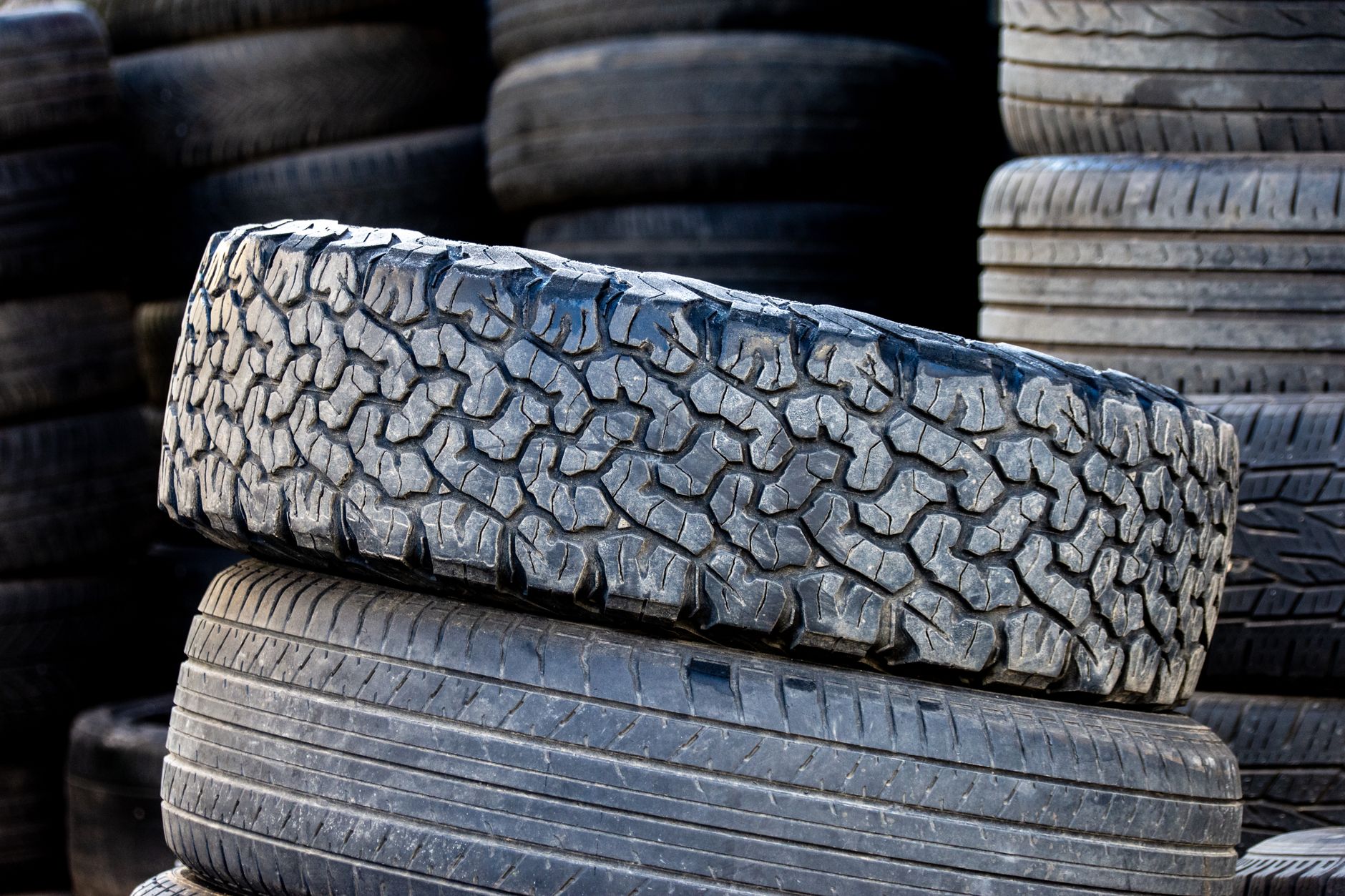
For the large majority of Alabama drivers, a quality all-season tire sized correctly for the vehicle is the right call, full stop. The cases where stepping up makes sense are narrower than tire marketing suggests:
Outside of those cases, the better investment is usually a properly maintained all-season tire — correct pressure, even tread wear, and a wheel alignment that keeps it wearing evenly — over a winter tire that will spend eleven months of the year in storage. Pressure matters more in winter-adjacent weather than most drivers expect, too: cold snaps drop tire pressure measurably, and underinflated all-season tires lose grip faster than a quick pressure check would otherwise suggest.
Tire Shops · Calera, Alabama
A tire counter can check 3PMSF ratings, tread depth, and what's actually available in a vehicle's size faster than any sidewall-reading guide. The directory lists tire shops in Birmingham, tire shops in Auburn, and tire repair options in Brewton, among other Alabama cities, each with hours and ratings pulled from their own listings.
Tire Shops · Ashland, Alabama
Tire Shops · Calera, Alabama
Tire Shops · Butler, Alabama
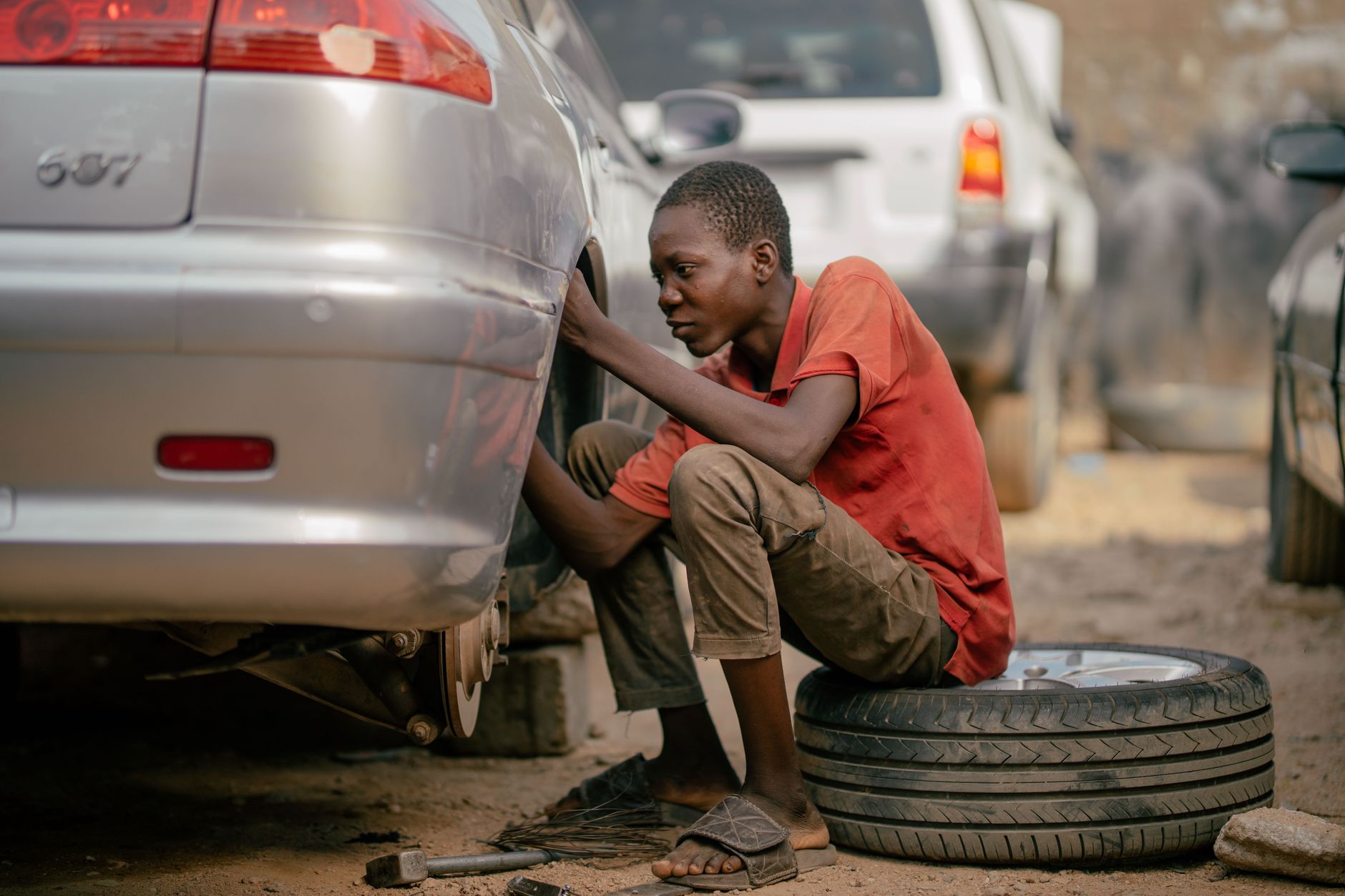
The all-season label covers nearly every tire need in Alabama, and switching to a winter tire only pays off for drivers who face sustained cold and snow, not a single ice advisory a year. The markings that actually separate real winter capability from a marketing claim are the 3PMSF snowflake symbol on the sidewall and, for anyone wanting winter traction without a seasonal swap, the newer all-weather category that carries the same rating year-round. Checking what's already mounted — the sidewall markings, the tread depth, and the DOT date — is the first step before deciding whether a change is worth making at all, and a local shop can confirm all three in a few minutes.
11 Oct 2026 · 9 min read
What drives tire, flat repair and alignment prices, and the Enterprise, AL shops that handle each job.
Enterprise Alabama tire costs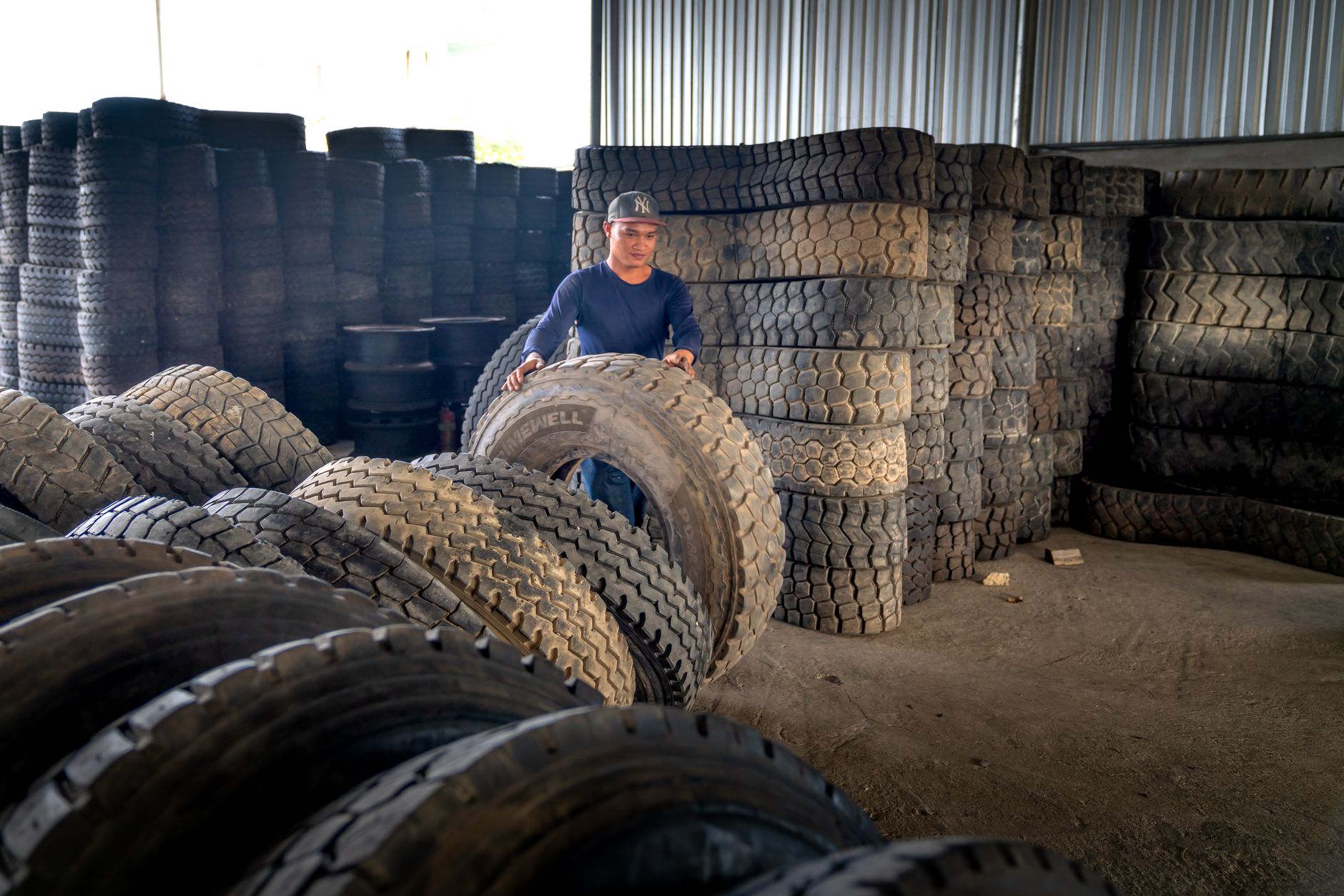
09 Oct 2026 · 8 min read
Cullman, AL tire shops, used tires, repair, towing and trailer service, with hours and ratings from each listing.
Cullman Alabama tire shops
08 Oct 2026 · 9 min read
The TPMS light means low tire pressure, not necessarily a bad sensor. What it means, why it comes on, and when a shop needs to check it.
TPMS tire pressure tire safety