


07 Oct 2026 · 8 min read
How to Read the DOT Date Code on Your Tires in 2026
Tire age matters as much as tread. How to read the DOT date code, what it means, and where Alabama shops check it for you.
DOT date code tire age used tires08 October 2026 · 9 min read
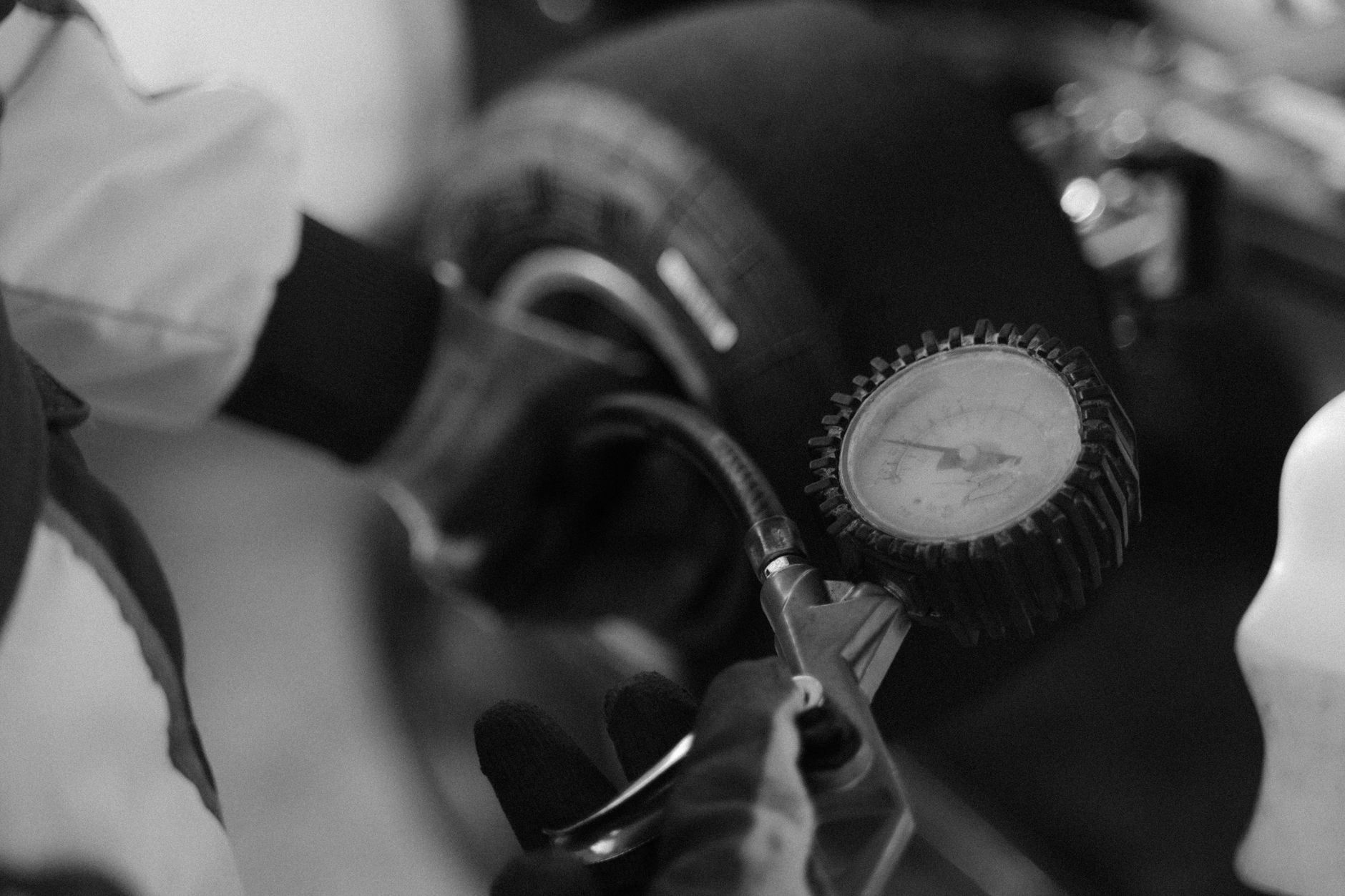
A small amber tire outline with an exclamation point lights up on the dash, and most drivers do one of two things: ignore it until the next oil change, or assume it means a flat is imminent. Neither reaction is quite right. The Tire Pressure Monitoring System (TPMS) light is a pressure warning, not a damage warning — and reading it correctly can save a tire, a wheel, or a trip to the shop you didn't need to make. Here's what the light is actually telling you, why it comes on, and when the job is a five-minute pressure check versus something a shop needs to look at.
Not every TPMS light works the same way, and the system in your vehicle affects both what triggers it and how it gets reset.
| Direct TPMS | Indirect TPMS | |
|---|---|---|
| How it measures | A physical pressure sensor inside each wheel | Wheel-speed data pulled from the ABS system |
| Battery inside the sensor | Yes — sensor batteries typically last 5-10 years | No battery to replace |
| Detail on the dash | Can sometimes flag which specific tire is low | Usually a single generic warning, no per-tire detail |
| After a tire swap or rotation | May need a sensor relearn procedure | Often needs a manual recalibration drive or reset sequence |
| Common on | Most vehicles built since the mid-2000s | Mostly older vehicles and a handful of budget trims |
Direct systems are more common on vehicles built in the last fifteen years or so, since direct TPMS became a federal requirement on new US passenger vehicles starting with the 2008 model year. If your dashboard display can tell you which corner is low, you almost certainly have a direct system.
The light isn't testing air quality or tread — it's comparing each tire's pressure to a threshold, usually around 25% below the pressure listed on the door-jamb sticker. A few things trigger that:
None of these need to be guessed at — the fix starts with a pressure check, not a diagnosis.
The pattern on the dash matters as much as the fact that it's lit at all.
A steady light means the system has detected that at least one tire is under the pressure threshold right now. This is the common case, and it's almost always resolved by airing up to the correct pressure.
A blinking light — often for 60 to 90 seconds after startup before it turns solid, or sometimes blinking continuously — usually signals a system fault rather than a pressure problem. That can mean a sensor has failed, a battery has died, or the system can't communicate with one or more wheels. A blinking pattern is the one that's more likely to need a shop visit rather than a gas station air pump.
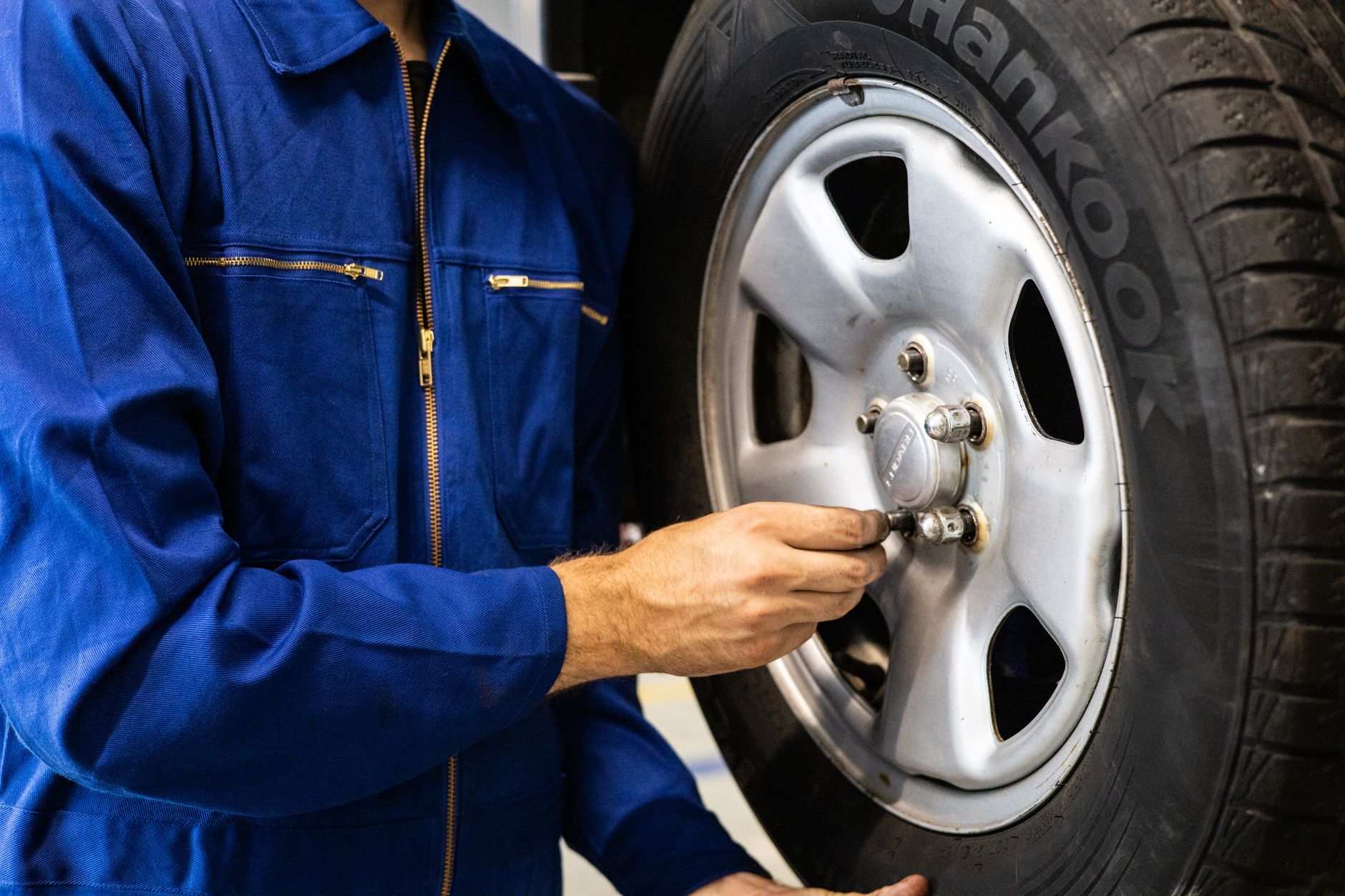
A tire or repair shop gets involved once the issue is mechanical rather than just a number on the gauge. That covers a punctured tire that needs a plug or patch, a corroded or leaking valve stem that needs replacing, a sensor that's stopped transmitting and needs to be swapped, or a relearn procedure after new tires, a rotation, or a wheel swap that the system didn't pick up on its own. Shops that handle tire work will generally have the scan tool needed to relearn sensors as part of the service, which isn't something most drivers can do with a 12-volt air compressor alone.
In Auburn, Auburn Tire & Automotive is listed under tire shops and would be a place to start for a tire-related TPMS issue in that area.
Tire Shops · Auburn, Alabama
In Birmingham, Roger's Tire Shop is listed in the directory's tire shops category.
Tire Shops · Birmingham, Alabama
And in Brewton, Lucas Tire & Services Center also appears under tire shops.
Tire Shops · Brewton, Alabama
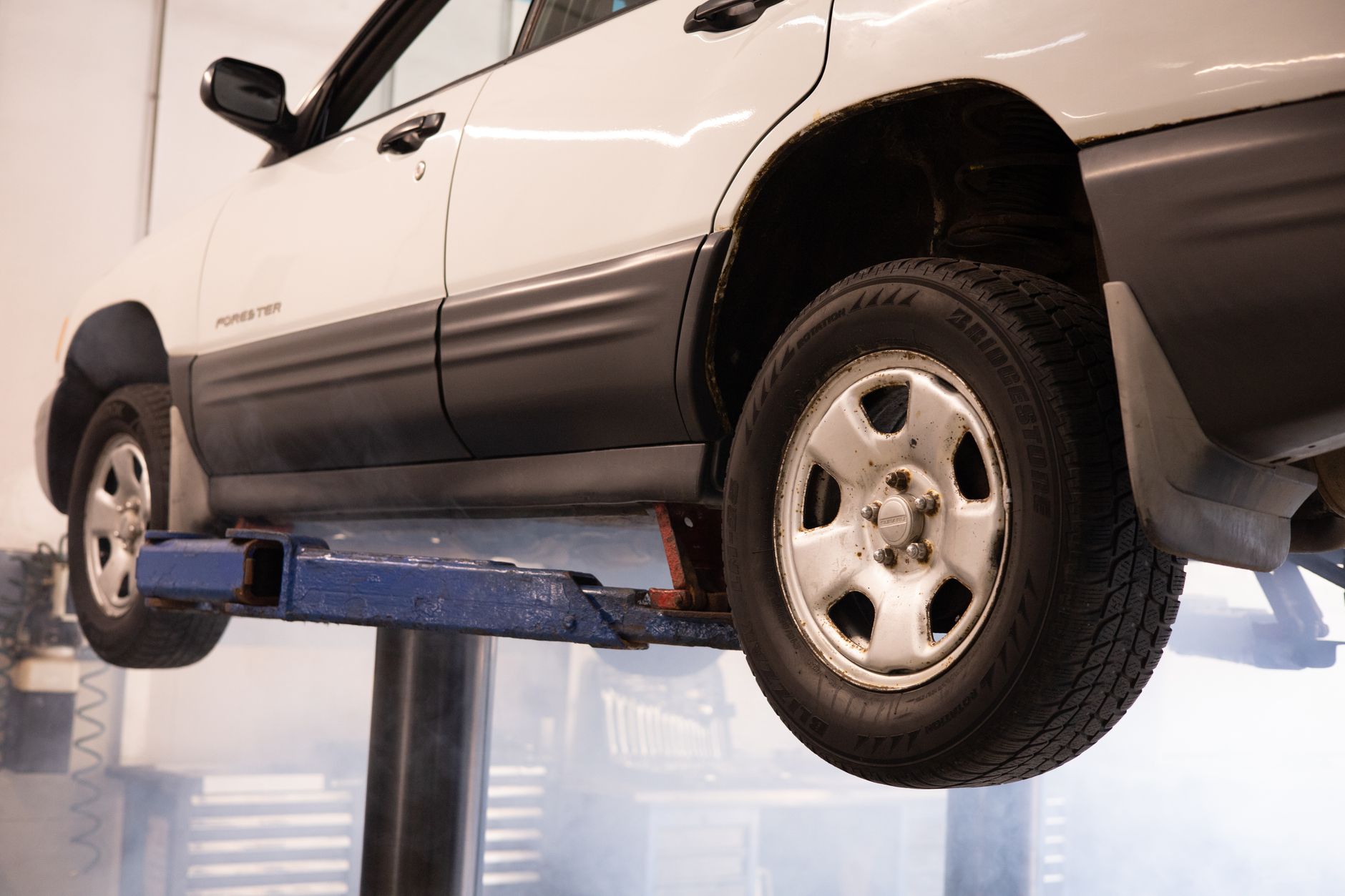
A valve stem that's cracked or has a slow leak at the base is one of the more overlooked causes of a recurring TPMS light, because the tire can hold air for days before it dips low enough to trigger a warning again. It's also one of the cheapest fixes once it's actually diagnosed, which is part of why a shop visit for a "mystery" recurring light is often worth more than another week of topping off air at a gas station. Sensor batteries, by contrast, aren't user-replaceable on most systems — when one fails, the whole sensor unit is typically swapped, which is routine work for a shop that already does tire mounting and balancing.
General auto repair shops that handle tire work can usually take this on alongside other maintenance. In Calera, Graves Automotive is listed under auto repair shops.
Auto Repair Shops · Calera, Alabama
Ruben's Auto Repair in Decatur is also listed under that category.
Auto Repair Shops · Decatur, Alabama
Alabama doesn't see the extreme temperature swings of colder states, but a 20-30°F overnight drop in fall and winter is enough to push a tire that was fine in September below the warning threshold in December. That's not the system malfunctioning — it's doing exactly what it's designed to do. The practical habit worth building is checking pressure at the start of each season, rather than waiting for the light, since a tire can run moderately underinflated for weeks before it's low enough to trigger a dashboard warning.
Two more listings worth knowing if you're near Clanton or Evergreen:
Auto Repair Shops · Clanton, Alabama
Auto Repair Shops · Evergreen, Alabama
Johnny's Truck and Auto Repair is listed under auto repair shops in Clanton, and Aubrey Padgett's Garage is listed under the same category in Evergreen.
On most vehicles, yes — at least for the simple case. Once every tire is at the correct cold pressure, many systems clear the warning automatically after a few minutes of driving, since the sensors continuously report back to the module and the fault clears once the numbers are back in range. Vehicles that don't clear automatically usually have a dedicated TPMS reset button, often located under the steering column or in the glovebox, that's held down with the ignition on until the light blinks a set number of times. The exact sequence varies by make and model, and the owner's manual is the reliable source for it rather than a generic online guide, since automakers don't standardize the button location or hold time.
Where a driveway reset won't work is after a sensor has actually failed, after a tire has been replaced with one that wasn't relearned to the vehicle, or on systems that require a scan tool to complete the relearn procedure rather than a button sequence. Those situations look the same from the driver's seat — the light stays on no matter how carefully you check pressure — but the fix is different, and that's the point where a shop visit saves more time than it costs.
A shop handling a TPMS complaint will typically start the same way a driver would: checking actual pressure in all four tires plus the spare, since a sensor reporting bad data and a genuinely low tire can look identical on the dash. From there, the diagnosis branches. A scan tool can read each sensor's signal strength and battery status directly, which tells a technician whether the problem is a dead sensor, a communication fault, or a tire that's simply still low after the driver's own top-off didn't fully correct it. If a sensor needs replacing, it's usually done at the same time as other tire work — mounting, balancing, or a rotation — since the wheel is already off the vehicle. A relearn procedure, where the vehicle's module has to be told which sensor is in which position, is a routine final step on direct systems after any sensor or tire replacement, and skipping it is one of the more common reasons a TPMS light comes back within days of a tire change that otherwise went fine.
The TPMS light is a pressure gauge, not a damage alarm — treat the first appearance as a cue to check all four tires cold and inflate to the door-sticker number, not the sidewall number. If correcting the pressure clears the light and it stays off, the job is done. If it comes back within days, blinks instead of staying steady, or follows a recent tire change, the cause is mechanical — a leak, a failing sensor, or a relearn that didn't take — and that's worth a shop visit rather than another week of guessing at an air pump. Checking current rates for sensor replacement or relearn service directly with a shop is the safest way to budget for it, since the cost depends on the vehicle and the specific sensor involved.
07 Oct 2026 · 8 min read
Tire age matters as much as tread. How to read the DOT date code, what it means, and where Alabama shops check it for you.
DOT date code tire age used tires
06 Oct 2026 · 8 min read
What drives tire, repair and alignment prices, and the Anniston, AL shops that handle each job.
Anniston Alabama tire costs
05 Oct 2026 · 8 min read
Tread depth and tire age both end a tire's service life. How to check each, and where Enterprise, AL drivers get tires checked.
tire safety tread depth Alabama