


02 Oct 2026 · 8 min read
How to Check a Used Tire Before You Buy It in 2026
DOT date codes, tread depth, sidewall damage and fit: the checks that tell a safe used tire from a bad one.
used tires tire safety Alabama03 October 2026 · 8 min read

A nail in the tread, a slow leak that started after a pothole, a screw picked up in a parking lot — these are the most common reasons a tire ends up at a repair counter instead of a landfill. What happens next matters more than most drivers realize. A tire repair that's done wrong doesn't always fail right away; it can hold air for weeks and then let go at highway speed. The difference between a repair that's safe for the life of the tire and one that's a temporary patch-job (literally) usually comes down to one question: plug, patch, or both?
This guide breaks down what each repair method actually does inside the tire, when a shop should refuse to repair a tire at all, and what to expect at a tire or tire repair shop in Alabama, where this directory already lists new tire shops, used tire shops and dedicated repair counters across dozens of cities.
A tire plug is a sticky rubber or rope-like insert that's forced into the puncture hole from the outside, usually with the tire still mounted on the car. It's the fastest repair available — many shops can plug a tire in under fifteen minutes — and it's the method used in almost every roadside and DIY plug kit sold at auto parts stores.
The problem with a plug used by itself is that it only seals the outer tread layer. It doesn't address the inner liner of the tire, where air pressure actually does its work, and it doesn't let a technician inspect the inside of the tire for hidden damage the puncture might have caused — like separated steel belts or stretched cords around the hole. A plug-only repair can hold for a long time on a small, straight puncture, but it's considered a temporary or lesser-quality fix by most tire manufacturers and by the U.S. Tire Manufacturers Association, which is why many full-service shops won't offer it as a permanent repair on its own.
A patch is applied from the inside of the tire, which means the tire has to be removed from the wheel first. That extra step is the entire point: removing the tire lets a technician see the back of the puncture, check for any bulging, cord damage, or contamination around the hole, and clean and buff the inner liner before bonding a rubber patch over the damaged area with vulcanizing cement.
Because the patch seals against the air-retaining inner liner rather than the outer tread, and because the inspection step catches damage a plug would miss, a proper patch repair is the version most manufacturers consider acceptable for the life of the tire, provided the damage itself is within repairable limits. The tradeoff is time: a patch job generally takes longer than a plug because the tire has to come off the rim, get inspected, and get remounted and rebalanced afterward.
Tire Repair Shops · Fairfield, Alabama
In practice, most professional tire repair shops don't choose one method over the other — they use a combination unit, sometimes called a "patch-plug" or "mushroom plug," that does both jobs in a single piece. The stem portion fills the puncture channel the way a plug would, while a wider patch base bonds to the inner liner the way a dedicated patch would. Installing one still requires dismounting the tire, so the shop still gets the inspection benefit of a patch, combined with the channel-filling seal of a plug.
This combination is generally regarded as the industry-standard repair for a straightforward puncture in the tread area, and it's what you should expect to see if you ask a shop how they repair a leak rather than just handing over your keys.
Not every puncture is repairable, and a shop that tells you "no" on a damaged tire isn't trying to upsell you — they're following limits set by tire manufacturers and the Tire Industry Association. A few situations that typically rule out any repair:
If a shop pulls your tire off the rim, looks inside, and tells you it needs to be replaced instead of repaired, that inspection is doing exactly what it's supposed to do.

The plug kits sold for home and trunk use are genuinely useful for one specific situation: getting a tire from flat back to driveable so you can get to a shop, especially on a mobile tire service call or a roadside breakdown. They are not a substitute for a professional repair, for three practical reasons: the puncture can't be inspected from the inside, the plug isn't bonded with the same vulcanizing process a shop uses, and there's no way to rebalance the tire or check the valve stem and TPMS sensor while it's still on the car.
Treat a DIY plug as a get-you-home measure, then have it properly inspected and patched (or replaced if needed) at a shop within a day or two. Several listings in this directory specifically handle quick-turnaround flat repairs in addition to new and used tire sales.
Tire Repair Shops · Birmingham, Alabama
Tire Shops · Cullman, Alabama
A repair done right follows roughly the same sequence every time, regardless of whether the final fix is a plug, a patch, or a combination unit:
If a shop skips straight from "you have a nail in your tire" to handing the car back without ever taking the wheel off, ask what method they used. A tread-area puncture repaired without dismounting the tire is a plug-only repair, which may be fine as a stopgap but isn't the full-life repair most manufacturers recommend.
| Method | Repaired from | Tire removed from rim? | Typical use | Manufacturer-rated for tire's full life? |
|---|---|---|---|---|
| Plug only | Outside (tread) | No | Emergency/roadside, get-you-home | Generally no |
| Patch only | Inside (liner) | Yes | Less common on its own; used when combo unit isn't available | Often yes, if damage is in repairable limits |
| Patch-plug combo | Both | Yes | Standard shop repair for a tread puncture | Yes, if damage is in repairable limits |
Several commercial and mobile tire operations in this directory can come to a stalled vehicle, a fleet lot, or a driveway, and the same repair standards apply regardless of where the work happens. A mobile technician who plugs a tire roadside to get a vehicle moving again is making the right call for the situation; the key is following up with a shop visit if that plug is meant to be the permanent fix rather than a temporary one.
Tire Shops · Midfield, Alabama
Pricing varies by shop, tire size, and whether the repair requires removing a wheel with a TPMS sensor or special lug pattern, so check current rates directly with a shop rather than assuming a flat price. As a general rule, a basic patch-plug repair is one of the least expensive services a tire shop performs — usually far cheaper than a single new tire — and most shops can turn around a walk-in flat repair same-day, often while you wait, since the job doesn't require ordering parts.
Tire Shops · Arab, Alabama
Tire Shops · Fairhope, Alabama
This directory lists tire repair shops and full-service tire shops that handle flat repairs across the state, including tire repair listings in Birmingham and in Fairfield, along with broader tire shop listings for Alabama that also take walk-in flats. Shops like the ones below show up in their city's listing with current hours, address, and rating, so you can check what's nearby before you drive on a soft tire any longer than necessary.
Tire Shops · Auburn, Alabama
Cities with multiple listed tire shops — Cullman, Auburn, Fairhope, and Arab among them — give you more than one option if a repair at the closest shop turns out not to be possible and you need a replacement tire instead.
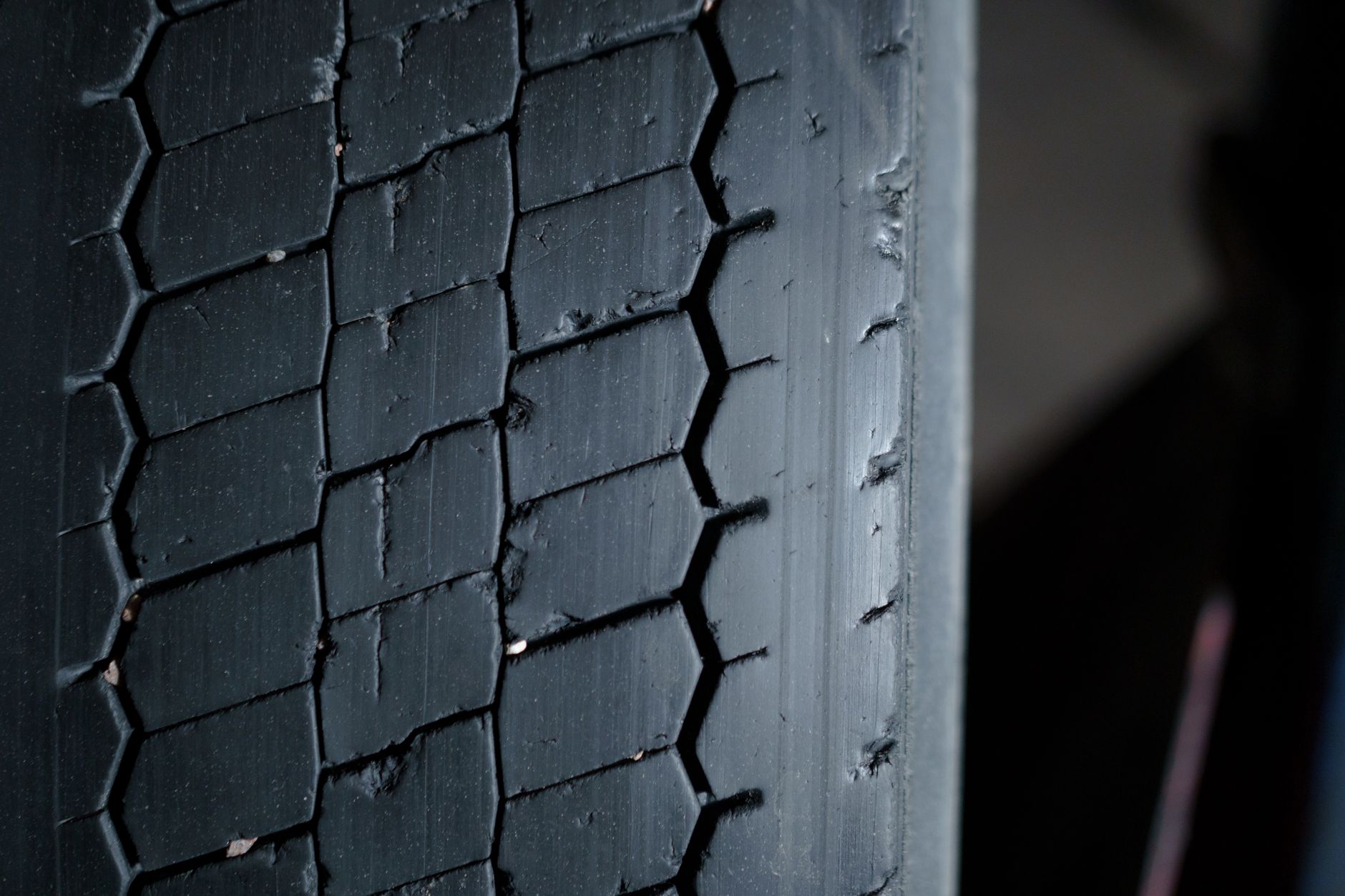
A plug alone gets you moving again, but it's a stopgap, not a finished repair — the only way to know a puncture is truly fixed for the long term is to have the tire removed from the wheel, inspected from the inside, and repaired with a patch or combination unit. Sidewall damage, oversized punctures, and tires that have been run flat are signs a repair isn't the right call at all, no matter how convenient it would be. When in doubt, ask the shop which method they're using and whether the tire was taken off the rim — a straight answer to that question tells you most of what you need to know about the repair you're paying for.
02 Oct 2026 · 8 min read
DOT date codes, tread depth, sidewall damage and fit: the checks that tell a safe used tire from a bad one.
used tires tire safety Alabama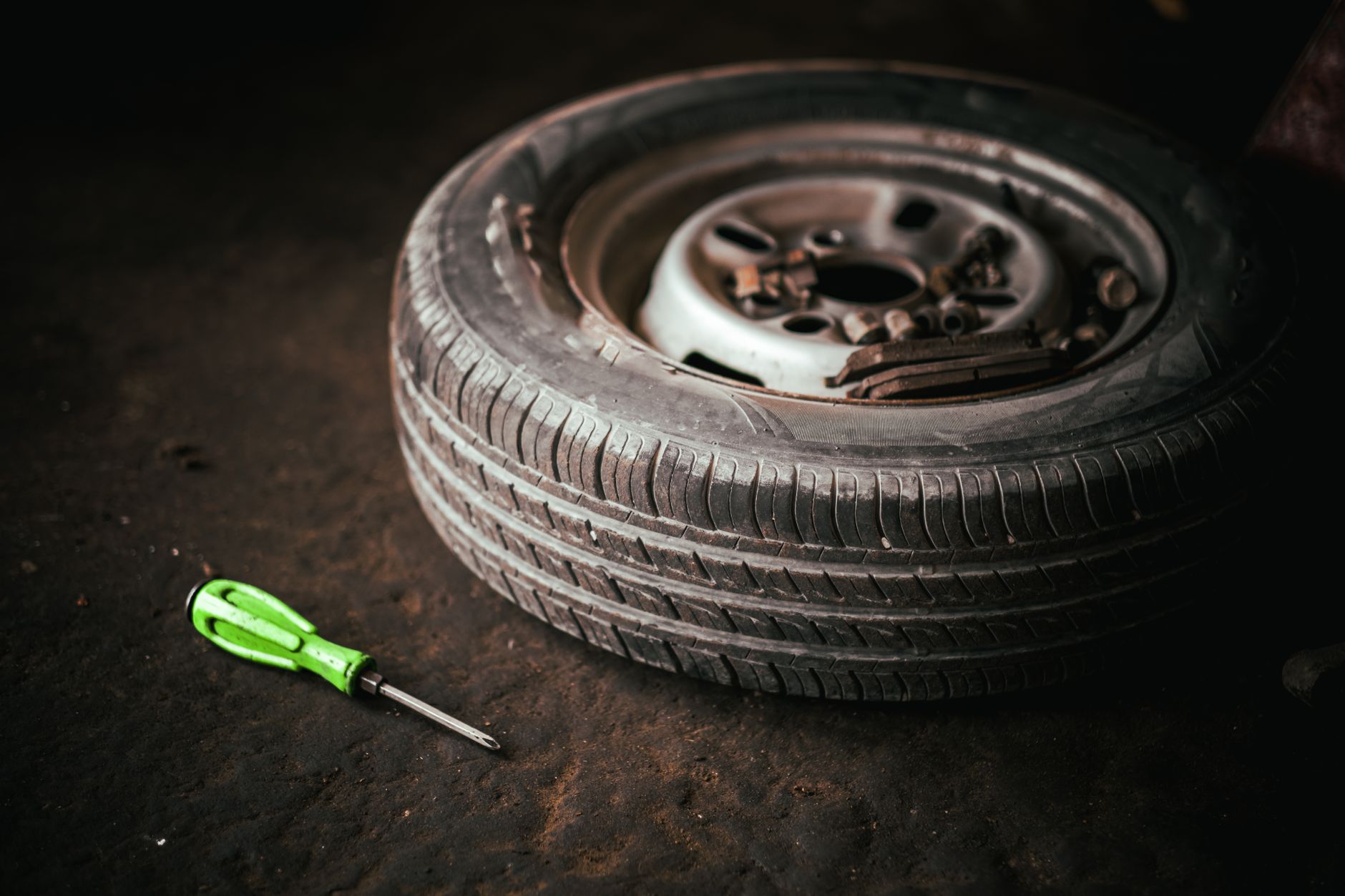
01 Oct 2026 · 8 min read
What new tire, used tire, repair, alignment and wholesale shops in Dothan, AL actually list, and how to get an accurate quote.
Dothan Alabama tire costs
30 Sep 2026 · 9 min read
A look at Birmingham, Alabama tire shops, used tire dealers, repair specialists, and a wholesaler, with what each listing actually shows.
Birmingham Alabama tire shops