




06 Oct 2026 · 8 min read
What Tires, Flats and Alignments Cost in Anniston, AL in 2026
What drives tire, repair and alignment prices, and the Anniston, AL shops that handle each job.
Anniston Alabama tire costs05 October 2026 · 8 min read
Most drivers replace tires only after a flat, a blowout, or a failed inspection forces the issue. But tires wear out on two separate clocks at once — the rubber itself ages even when a vehicle sits still, and the tread wears down every time it rolls. Knowing how to check both lets you replace tires on your own schedule instead of the roadside's.
This guide covers how to measure tread depth, how to read the date a tire was built, and the other warning signs — cracking, bulging, vibration — that mean a tire is done regardless of what the tread looks like. It also looks at where drivers in Enterprise, Alabama can get a tire checked, replaced, or repaired, since the city has a dense cluster of tire shops and used tire dealers to choose from.
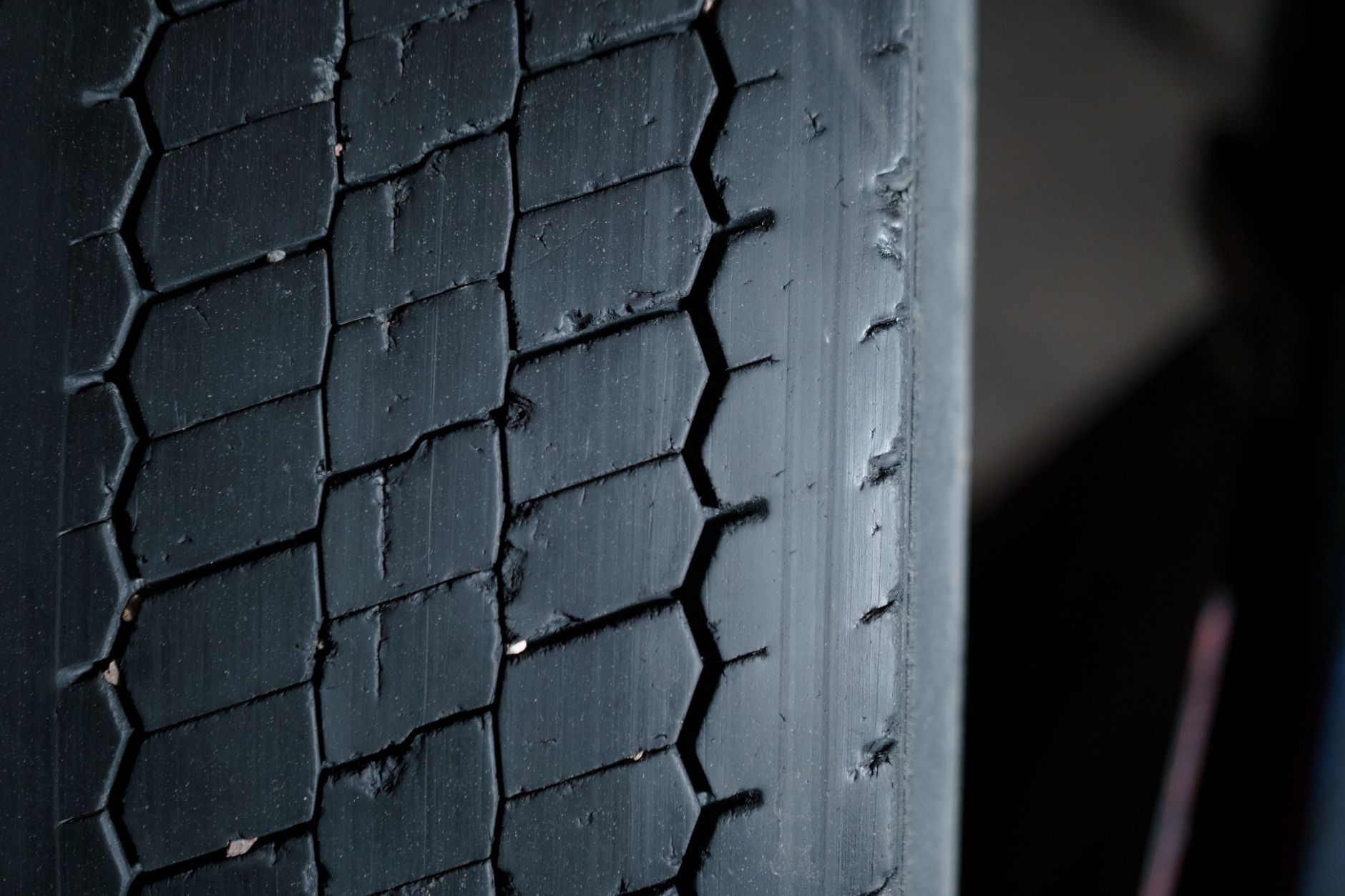
In the United States, a tire is legally worn out once its tread depth reaches 2/32 of an inch (about 1.6 mm) anywhere across the tread. Most new passenger tires start at roughly 10/32 to 11/32 of an inch, so by the time a tire reaches the legal minimum it has already lost most of its usable rubber.
There are three practical ways to check:
Check tread depth in at least three spots across each tire — the center and both edges — since uneven wear from underinflation, overinflation, or an alignment problem can wear one section faster than the rest. A tire that is fine in the center but bald on one edge is still a tire that needs to be replaced, and it is usually also a sign the vehicle needs a wheel alignment.
A tire with plenty of tread can still be unsafe if it is simply old. The rubber compounds in a tire oxidize and harden over time, even on a vehicle that is garaged and rarely driven. Most tire manufacturers and safety organizations recommend replacing tires at around 6 to 10 years from their manufacture date, regardless of remaining tread, because aged rubber loses flexibility and becomes more prone to cracking and sudden failure — including on a spare tire that may have never touched the road.
Every tire sold in the U.S. carries a DOT date code on its sidewall, usually ending in a four-digit number inside an oval. The last two digits are the year and the first two are the week of that year. A code ending in "2321" means the tire was built in the 23rd week of 2021. If a tire's sidewall only shows a three-digit code, it was built before 2000 and should be replaced immediately regardless of tread depth.
This matters most for:
Anyone shopping at a used tire shop should ask to see the DOT code on any tire before buying — a shop that sells by the tread alone, without mentioning age, is skipping a step that matters.
Tread depth and age are the two measurable clocks, but a tire can fail inspection sooner for reasons that show up visually or through how the car drives:

Once a tire fails any of the checks above, the next decision is what to put on in its place. Both new and used tires are common options, and the right call depends on budget, how long the vehicle will be kept, and how much is known about the replacement tire's history.
| New Tires | Used Tires | |
|---|---|---|
| Tread depth | Full depth from new | Varies — always ask for a measurement |
| Age | Known, recent | Unknown until the DOT code is checked |
| Typical buyer | Daily drivers, long-term ownership | Budget replacements, older vehicles, temporary fixes |
| What to verify | Warranty terms with the seller | Tread depth and DOT date code before buying |
| Where to check current rates | A new tire shop | A used tire dealer |
Prices and warranty terms vary by shop, brand, and tire size, so check current rates directly with a shop rather than assuming a flat cost — a shop quote also accounts for mounting, balancing, and any valve stem or TPMS sensor service that may be needed.
Enterprise has a solid lineup of both new and used tire shops, which gives drivers room to compare before committing to a full set.
Tire Shops · Enterprise, Alabama
Tire Shops · Enterprise, Alabama
Jim Whaley Tires operates two locations in Enterprise — one on Geneva Highway and one on Boll Weevil Circle — both listed as tire shops, which makes them a straightforward stop for a tread check or a full replacement without needing to cross town.
Tire Shops · Enterprise, Alabama
Express Oil Change & Tire Engineers combines tire service with oil changes and other maintenance, which is useful if a tread check turns up an alignment or suspension issue at the same visit.
Tire Shops · Enterprise, Alabama
Tire Shops · Enterprise, Alabama
RoadMart Tire and Wilks Tire & Battery Service round out the new-tire side of town, with Wilks also handling batteries — relevant since a battery and a set of worn tires often get replaced around the same mileage.
For drivers checking the used-tire route, Enterprise has two dedicated used tire dealers:
Used Tire Shops · Enterprise, Alabama
Used Tire Shops · Enterprise, Alabama
Milo's Used Tires and Speedy Used Tires are both listed as used tire shops in Enterprise. As with any used tire purchase, it's worth asking to see the DOT date code on the specific tire before it goes on the car, not just the tread.
Tire Shops · Enterprise, Alabama
Derrell's Tires is also listed as a general tire shop in the city. Contact each shop directly for current hours, appointment availability, and pricing, since these can change.
Most tire shops, new or used, follow a similar process: the technician removes each wheel, measures tread depth and checks for sidewall damage, and inspects the DOT code if age is in question. If a tire is replaced, the new one is mounted, balanced, and the TPMS sensor (if the vehicle has one) is checked or reset. Many shops also offer a free rotation or air-pressure check between full services — worth asking about even if a tire doesn't need replacing yet.
Hours vary by shop. In Enterprise, for example, several tire shops are open Monday through Friday with shorter Saturday hours and are closed Sunday, while at least one — Express Oil Change & Tire Engineers — also opens Sunday afternoons. Checking a shop's current listing or calling ahead is the most reliable way to confirm hours and whether walk-ins are accepted or an appointment is preferred.
A tire is due for replacement when either clock runs out — tread depth at or near 2/32 of an inch, or age past roughly 6 to 10 years from the DOT date code — whichever comes first. Cracking, bulges, and vibration can retire a tire sooner than either measurement. Before buying new or used, check the tread with a gauge or the penny test, find the DOT code on the sidewall, and ask any shop — new or used — to confirm both numbers before you drive away.

06 Oct 2026 · 8 min read
What drives tire, repair and alignment prices, and the Anniston, AL shops that handle each job.
Anniston Alabama tire costs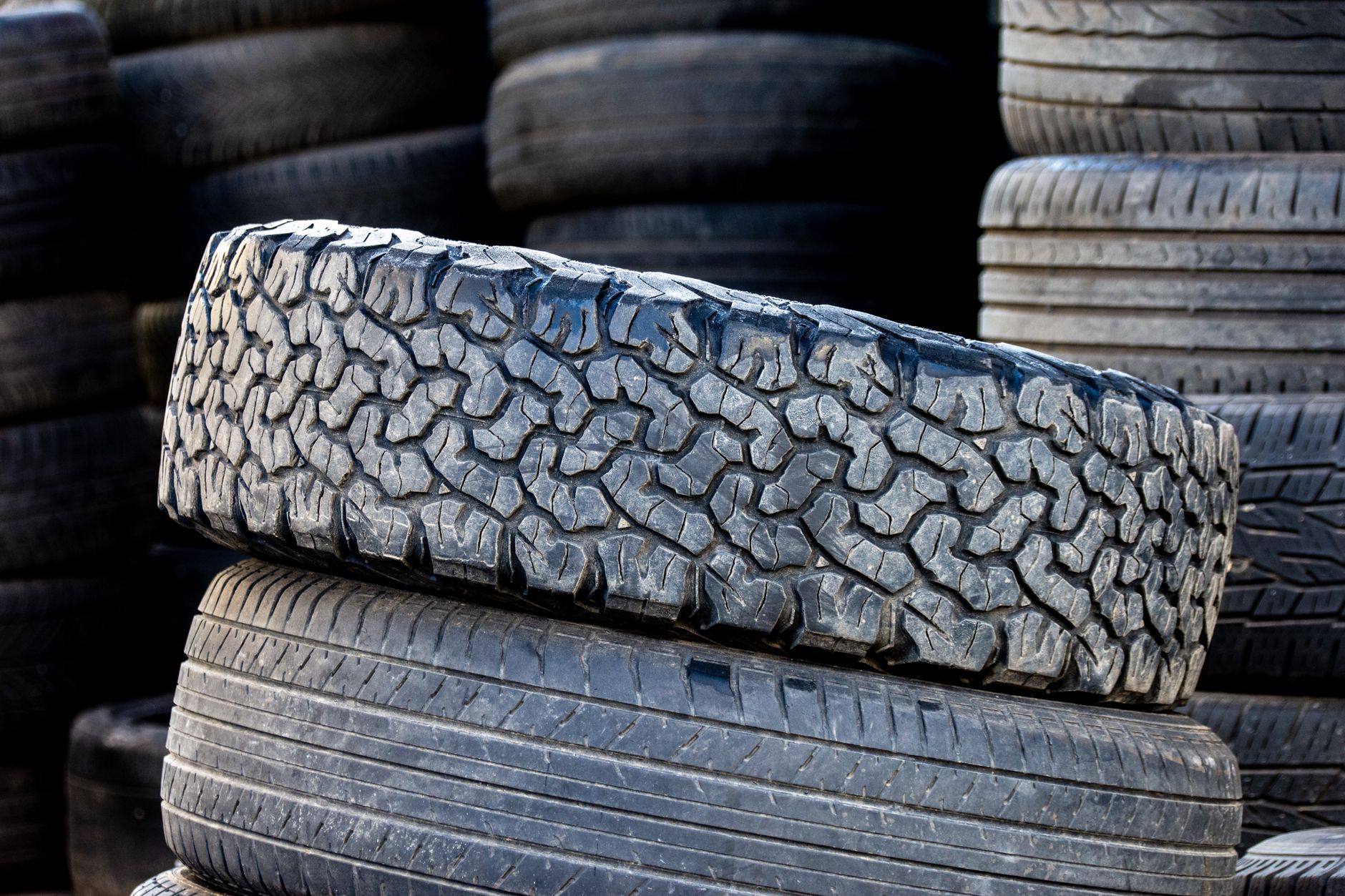
04 Oct 2026 · 8 min read
A look at Decatur, Alabama tire shops by type: new, used, commercial and alignment, with hours and services from each listing.
Decatur Alabama tire shops
03 Oct 2026 · 8 min read
A plug seals a puncture from outside; a patch or patch-plug combo seals it from inside, after inspection. Which to trust, and when to replace instead.
tire repair flat tire Alabama