


11 Oct 2026 · 9 min read
Tire, Flat Repair and Alignment Costs in Enterprise, AL (2026)
What drives tire, flat repair and alignment prices, and the Enterprise, AL shops that handle each job.
Enterprise Alabama tire costs12 October 2026 · 8 min read
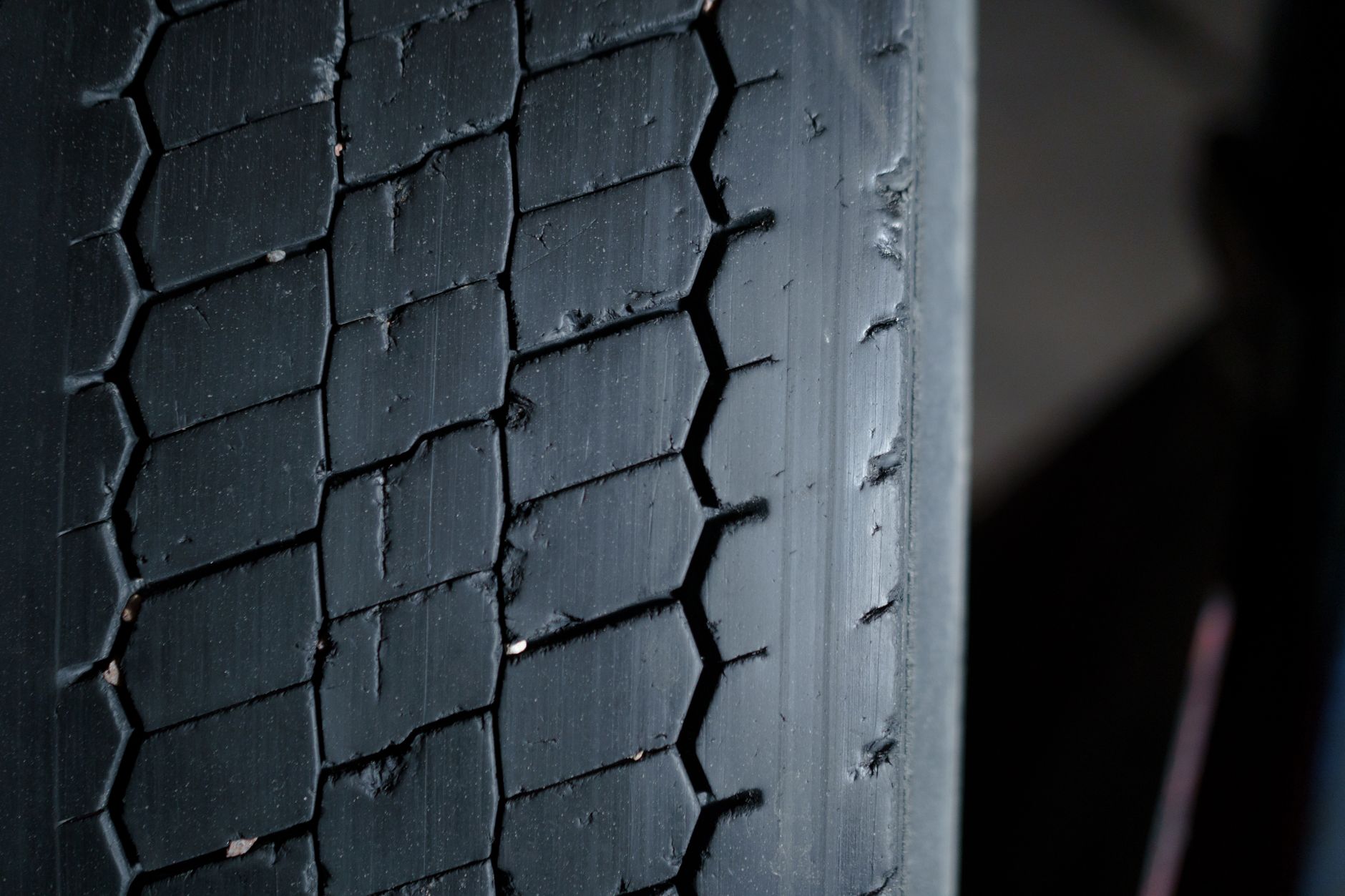
Every tire carries its own spec sheet, stamped directly into the rubber. Most drivers never read past the brand name, but the sidewall lists the tire's exact size, its load and speed limits, its age, and a federal safety grade — all before a shop technician ever says a word. Knowing how to read it takes the guesswork out of buying tires, checking a used set, or confirming a shop installed the right ones.
This guide walks through each marking in the order it usually appears on the sidewall, from the size code to the DOT date stamp, and points to Alabama tire shops that can help when the numbers raise a question.
The most prominent string on the sidewall looks something like P215/65R16 98H. Each segment means something specific:
| Segment | Example | Meaning |
|---|---|---|
| Letter prefix | P | Passenger tire (LT = light truck, ST = trailer, no letter = metric/Euro) |
| Width | 215 | Tread width in millimeters |
| Aspect ratio | 65 | Sidewall height as a percentage of width |
| Construction | R | Radial construction (nearly universal today) |
| Wheel diameter | 16 | Rim diameter in inches |
| Load index | 98 | Code for maximum load capacity per tire |
| Speed rating | H | Code for maximum sustained speed |
Replacement tires should match the size printed on the vehicle's door-jamb sticker unless a shop has a specific, documented reason to change it — a different size changes speedometer accuracy, ground clearance, and how the anti-lock and stability systems read wheel speed.
Tire Shops · Fairhope, Alabama
The load index is not the tire's size — it is a code that maps to a weight in pounds per tire. A code of 98 corresponds to roughly 1,653 lb, but the exact figure depends on the published load index chart, and it is worth checking rather than guessing, since the gap between adjacent codes is not even. Running a trailer, a loaded truck bed, or a van full of passengers on a tire with too low a load index is one of the more common reasons tires overheat and fail, especially on fully loaded trips rather than everyday commuting.
A tire shop that handles trucks and fleets routinely checks load index against a vehicle's actual payload, not just its original equipment size. That is worth asking about directly if a vehicle is used for towing or hauling.
The letter that follows the load index — H, S, T, V, and so on — is the speed rating, and it marks the maximum speed the tire is certified to sustain under proper load and inflation. It is not a recommendation to drive at that speed; it is an upper bound tied to how the tire's construction manages heat.
| Speed rating | Max speed | Typical use |
|---|---|---|
| S | 112 mph | Family sedans, minivans |
| T | 118 mph | Family sedans, crossovers |
| H | 130 mph | Sedans, coupes |
| V | 149 mph | Sport sedans, performance coupes |
| Z/W/Y | 149+ mph | Sports cars, high-performance models |
Mixing speed ratings across an axle, or fitting a lower-rated tire than the vehicle originally came with, can affect handling balance even well below the rating itself. A straightforward size and spec match is the safer default unless a shop has a specific reason to recommend otherwise.
Stamped near the bead, usually inside an oval, is the DOT (Department of Transportation) code. The last four digits are the ones that matter most: the first two are the week of manufacture, the last two are the year. A code ending in 2423 means the tire was built in week 24 of 2023.
Age matters independently of tread depth. Rubber compounds dry out and harden over years regardless of mileage, and many manufacturers recommend replacement around six to ten years from the manufacture date even on tires with tread remaining. This is especially relevant when buying used tires, where the asking price may not reflect the tire's real remaining service life. For a full walkthrough of finding and reading this code, see How to Read the DOT Date Code on Your Tires, and for inspecting a used set before buying, How to Check a Used Tire Before You Buy It.
Tire Shops · Bessemer, Alabama
On most passenger tires, the Uniform Tire Quality Grading (UTQG) system adds three more figures to the sidewall:
UTQG grades are self-reported by manufacturers under federal test procedures, so they are a reasonable way to compare two tires from the same brand's lineup, but not a precise promise of real-world mileage, which depends heavily on alignment, inflation, driving style, and road surface.
Tire Shops · Florence, Alabama
Near the rim, sidewalls list a maximum load rating in pounds and kilograms, and separately a maximum cold inflation pressure in PSI and kPa. These are testing limits, not the pressure to actually run day to day — the correct inflation pressure for a vehicle is the number on the door-jamb sticker or in the owner's manual, which is often lower than the tire's stamped maximum.
Confusing the two is a common mistake: inflating to the tire's maximum sidewall pressure rather than the vehicle manufacturer's recommended pressure can make the ride harsher and change how the tread wears, even though it will not immediately damage the tire. A shop doing a flat repair or a new tire install will typically set pressure to the vehicle's spec unless asked to do otherwise.
Tire Shops · Clanton, Alabama
Light truck tires (marked LT ahead of the size, such as LT265/75R16) often carry a load range letter instead of, or alongside, the load index — C, D, E, or F being the most common. Each letter corresponds to a specific ply rating and maximum inflation pressure: Load Range C is built for roughly 50 psi max, D for about 65 psi, and E for about 80 psi, with the exact figures printed right next to the letter on the sidewall.
This matters most for anyone towing a trailer, hauling a loaded truck bed, or running dual rear wheels. A tire swap that quietly drops from Load Range E to Load Range C will look identical in diameter and tread pattern but carries far less weight safely, and the only way to catch that before it becomes a roadside problem is reading the load range letter on the new tire, not just comparing the size number. Fleet and farm vehicles in particular are worth double-checking here, since replacement sets are sometimes sourced to match a budget rather than the original spec.
Tire Shops · Midfield, Alabama
A few more symbols cluster near the size code:
Mounting a directional or asymmetric tire backward does not usually cause an immediate problem, but it can reduce wet traction and change how the tread wears, which is one more reason a straightforward mount-and-balance at a shop that reads these markings is worth the cost over mounting tires at home.
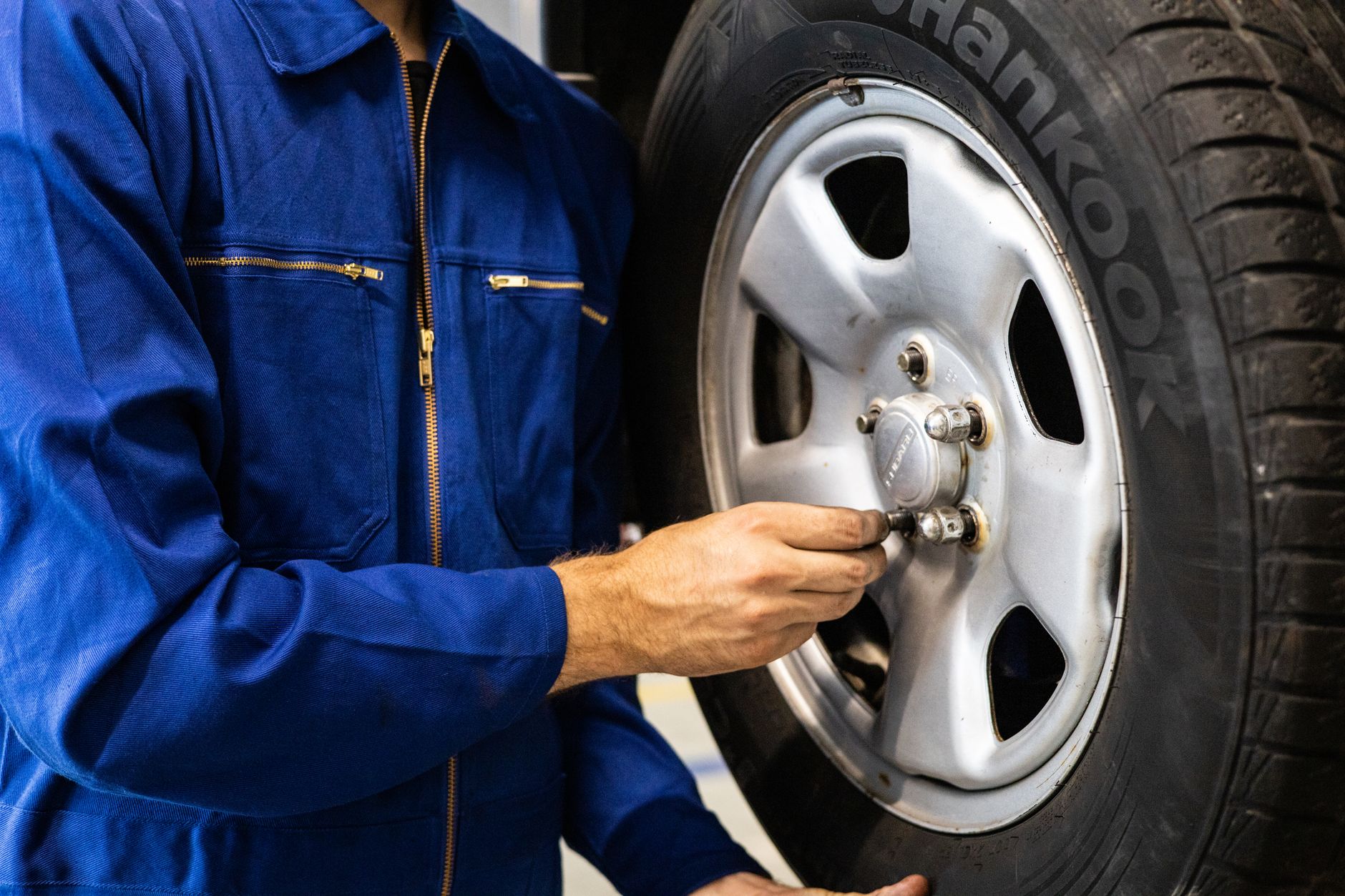
None of these markings require special tools to read — a flashlight and a few minutes with the tire is usually enough. Where a shop earns its fee is in translating the numbers into a decision: whether a given load index is enough for a specific truck, whether a mismatched speed rating across an axle is worth correcting, or whether a used tire's date code means it is near the end of its service life regardless of tread.
Several Alabama shops list the kind of full-service work that covers this, from new tire sales to inspection and mounting:
Tire Shops · Auburn, Alabama
Tire Shops · Chelsea, Alabama
For readers near these areas, the directory's tire shops in Florence, AL and tire shops in Auburn, AL pages list more options nearby, along with the Bessemer, AL and Clanton, AL city pages for other automotive services in those areas.
Before a new set goes on, or before paying for a used set, it is worth matching the sidewall against these points:
The sidewall will not tell you whether a tire has hidden sidewall damage or an uneven wear pattern from a long-standing alignment issue — that still takes a physical inspection, which is exactly what a tire shop's pre-install check covers. But reading the stamped numbers first means walking in with the right questions, and it is the fastest way to tell whether a quoted set of tires actually fits the vehicle in front of you.
Takeaway: the sidewall is a complete spec sheet — size, load, speed, age, and tread grade — and matching it against the vehicle's door-jamb sticker before a purchase or install catches most mismatches before they become a problem on the road.
11 Oct 2026 · 9 min read
What drives tire, flat repair and alignment prices, and the Enterprise, AL shops that handle each job.
Enterprise Alabama tire costs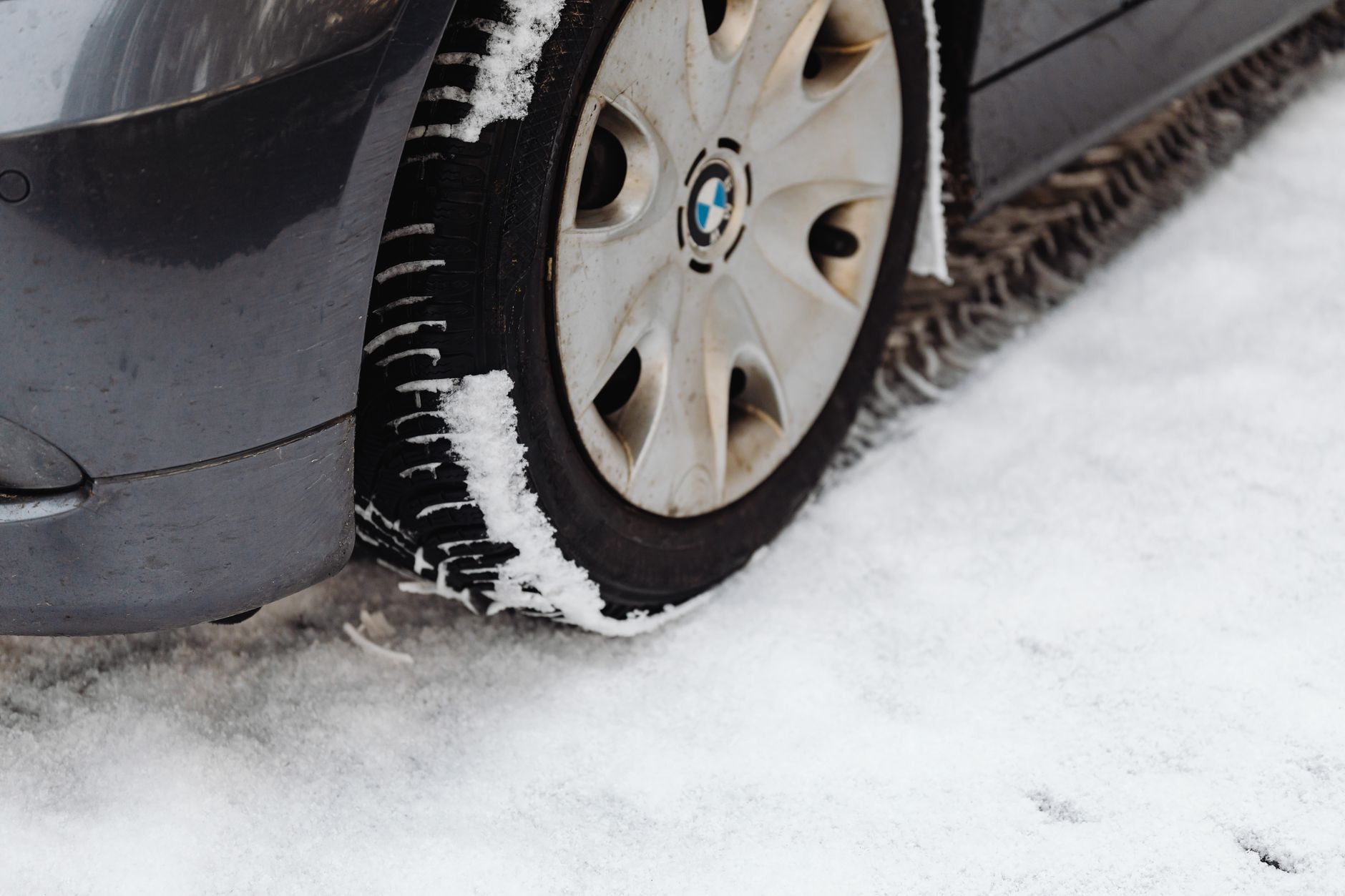
10 Oct 2026 · 7 min read
What all-season, all-weather and winter tires actually change, and who in Alabama really needs more than an all-season tire.
tire safety winter tires all-season tires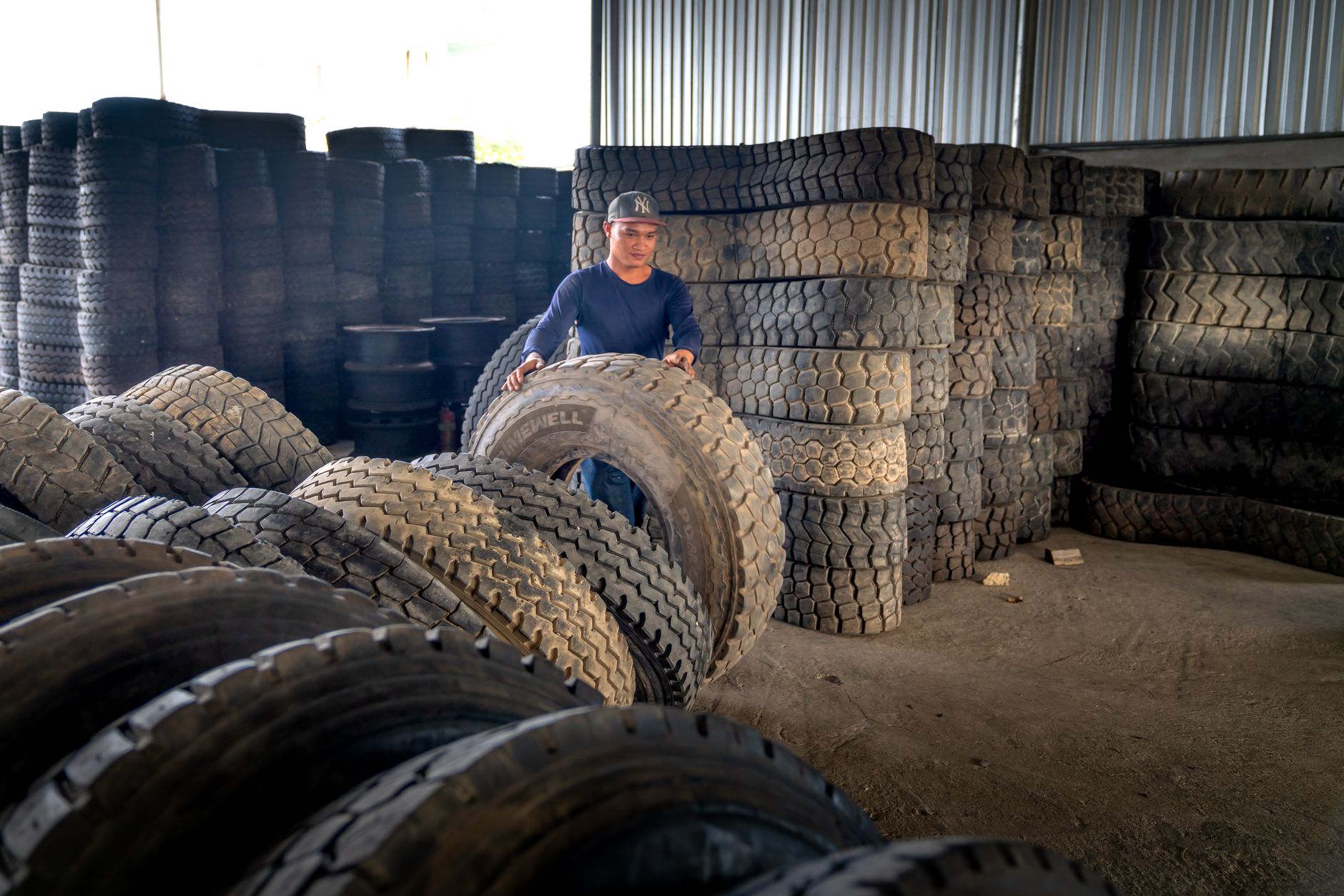
09 Oct 2026 · 8 min read
Cullman, AL tire shops, used tires, repair, towing and trailer service, with hours and ratings from each listing.
Cullman Alabama tire shops